Tom Brady’s recent triumph in the Super Bowl serves as solid proof that he still possesses the skills required to compete in professional football. Despite just celebrating his 42nd birthday on August 3rd, a question arises: How do some athletes manage to stay in the game while many of their peers retire to coaching or commentary roles?
One of the major factors contributing to a decline in athletic performance in individuals around the age of 35 is the reduction in testosterone levels, which leads to a decrease in muscle mass. This decline is often seen as a key reason for deteriorating athletic abilities. However, the negative effects of this can be mitigated through resistance training. It appears that Brady’s coach, Alex Guerrero, has had him on a resistance training regimen for a number of years now.
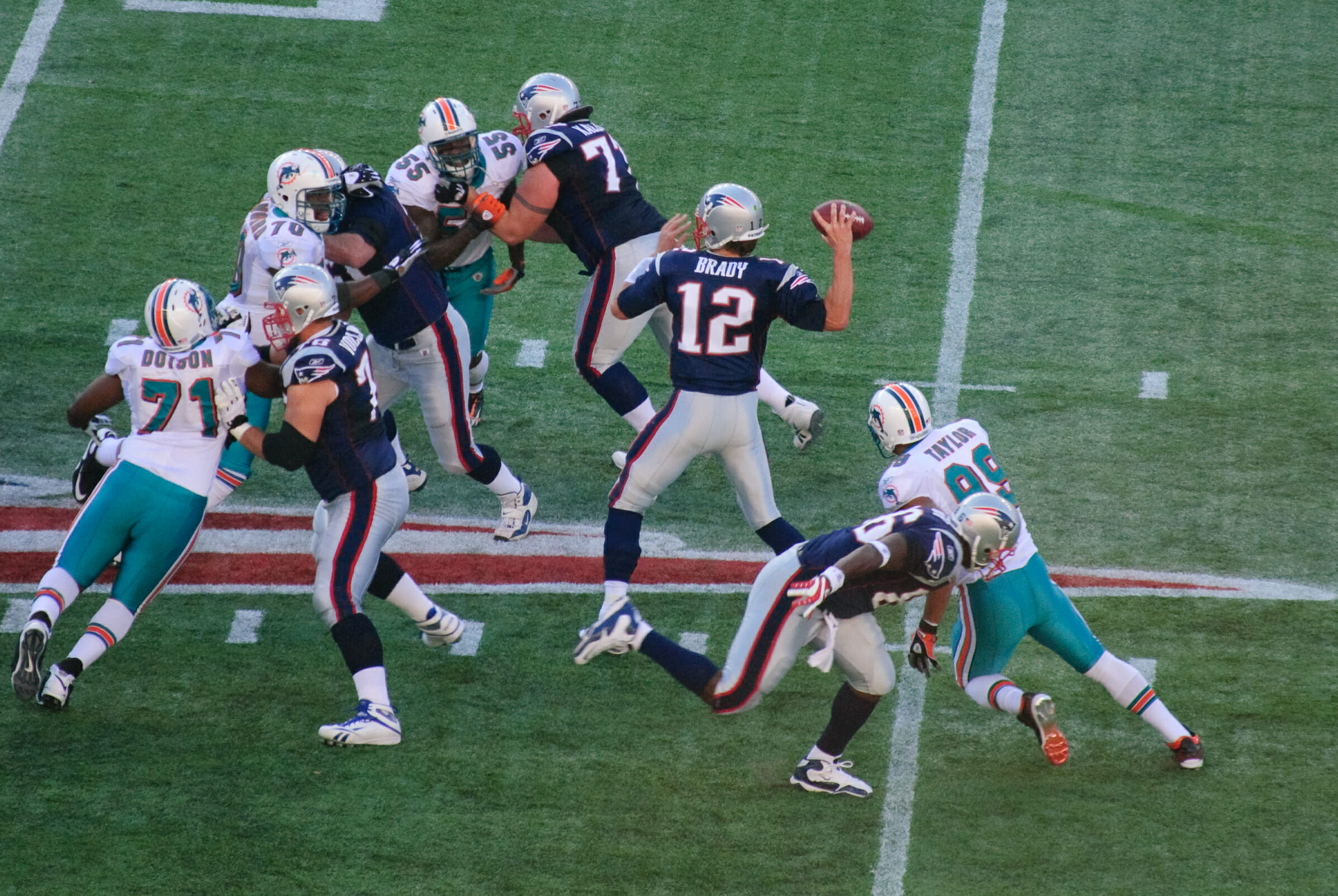
Brady also benefits from his exceptional passing technique. Even with potential strength loss, refining his passing skills can make up for it. Dan Orlovsky, a former NFL quarterback and current sports analyst at ESPN, believes that Brady has honed his technique to minimize unnecessary movements.
Furthermore, Brady’s wealth of experience enables him to predict the movements of opposing defenders. This strategic insight allows him to outmaneuver his rivals, even those who may be younger and physically stronger.
Today, it’s becoming more common for athletes to extend their professional careers well into their later years. This trend seems likely to persist. If there’s one lesson young athletes can glean from Brady, it’s the significance of a forward-thinking approach to training routines and the importance of mastering sound game tactics and strategies, which are just as crucial as raw strength and speed.
For additional NFL updates, visit Why Are There So Few Left-Handed Quarterbacks In The NFL?